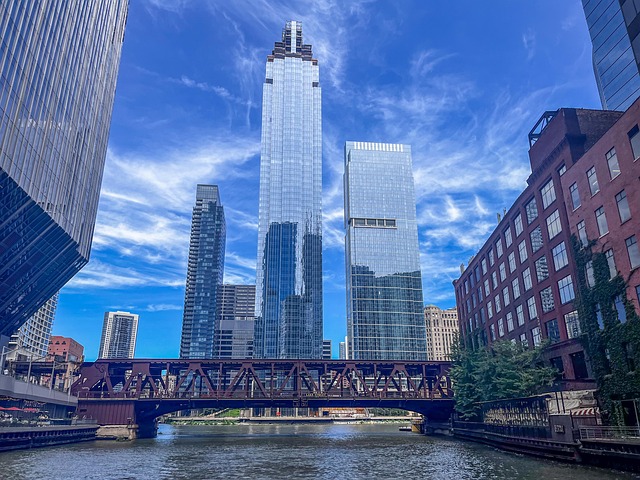
Chicago's architectural landscape offers a rich exploration for history buffs and design enthusiasts. From iconic skyscrapers like the Willis Tower to charming vintage homes, the city boasts diverse styles. Guided architecture tours through organizations like the Chicago Architecture Center provide insights into historical and modern designs. Self-guided tours in neighborhoods like Lincoln Park and Bucktown reveal hidden architectural gems. The city's fusion with nature is evident in green spaces and buildings inspired by Lake Michigan. What to see in Chicago naturally encompasses this diverse, historically informed, and sustainable built environment.
The Architectural Icon Walk represents a unique opportunity to explore Chicago’s rich architectural heritage on foot. As one of the world’s leading cities for architecture, Chicago boasts an impressive array of iconic structures that tell the story of its dynamic history. However, navigating this architectural treasure map can be overwhelming for visitors and locals alike. This article offers a comprehensive guide, detailing what to see in Chicago naturally through curated routes that highlight some of the city’s most remarkable buildings. By the end, readers will not only gain a deeper appreciation for Chicago’s architectural landscape but also discover hidden gems they might have otherwise missed.
- Discovering Architectural Gems: A Chicago Walk
- Iconic Buildings: History Meets Modernity in Chicago
- Exploring Nature's Influence on Urban Design
- What to See: Chicago's Architectural Marvels Unveiled
Discovering Architectural Gems: A Chicago Walk
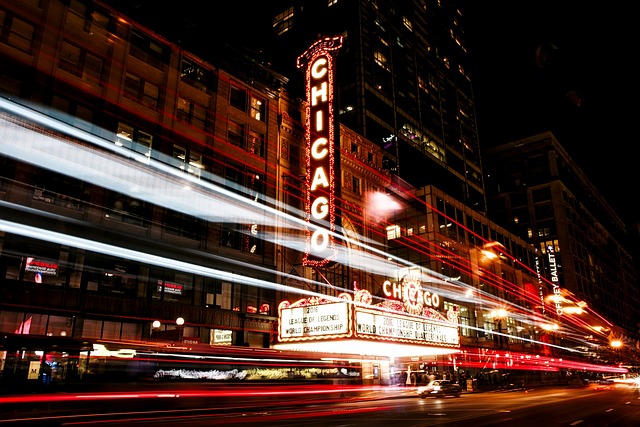
Discovering Architectural Gems: A Chicago Walk
Chicago’s architectural landscape is a treasure map for history buffs, design aficionados, and anyone who appreciates the art of construction. This iconic city is home to some of the world’s most celebrated architectural styles, from the towering skyscrapers that define its skyline to charming vintage homes tucked away in quaint neighborhoods. A self-guided Chicago architecture tour offers an immersive experience where you can explore these diverse designs on your own terms. Whether you have a few hours or an entire day to dedicate to this quest, what to see in Chicago naturally presents itself through the city’s rich architectural heritage.
One of the best ways to embark on your architectural exploration is by starting at the Chicago Architecture Center. This non-profit organization offers a wealth of resources for both casual enthusiasts and serious students of architecture. Their curated walking tours cover everything from classic styles like Victorian and Prairie to modern marvels such as Mies van der Rohe’s iconic Seagram Building. These guided walks often include insights from local experts who can point out details that might otherwise go unnoticed, making your Chicago architecture tour not just visually stunning but also intellectually stimulating.
For an authentic taste of the city’s architectural diversity, consider a loop through historic neighborhoods like Lincoln Park, Wicker Park, and Bucktown. These areas are scattered with a mix of styles including Greystone townhouses, Prairie-style bungalows, and Victorian mansions. Each neighborhood has its own character, from the eclectic mix of trendy boutiques and art galleries in Wicker Park to the charming, tree-lined streets of Lincoln Park. Engaging in a self-guided tour allows you to move at your own pace, delve into specific buildings that interest you, and discover hidden gems that might be off the beaten path for most tourists.
Don’t miss opportunities to visit iconic landmarks like the John Hancock Center or Willis Tower (formerly Sears Tower) for panoramic views of the city from their observation decks. These modern skyscrapers stand as testaments to Chicago’s commitment to architectural innovation and its ongoing influence on global design trends. Combining visits to these towering structures with a Chicago architecture tour that focuses on historic styles will give you a well-rounded understanding of how the city has evolved over time, both in terms of urban planning and aesthetic sensibilities.
Iconic Buildings: History Meets Modernity in Chicago

Chicago is a city where history meets modernity, and its architectural landscape reflects this dynamic blend. Iconic buildings across the city tell stories of past eras while showcasing contemporary design innovations. A Chicago architecture tour reveals this fascinating interplay, offering insights into how the city has evolved over time.
One of the most celebrated examples is the Willis Tower (formerly Sears Tower), a towering symbol of modern engineering that stands as one of the tallest buildings in the Western Hemisphere. Its sleek glass facade and iconic design have made it a Chicago must-see for visitors from around the globe. Similarly, the John Hancock Center, with its distinctive spire, offers panoramic views of the cityscape, showcasing both historical significance and innovative construction techniques. These landmarks are not just architectural marvels; they are testaments to Chicago’s resilience and continuous reinvention.
Exploring what to see in Chicago naturally involves delving into its diverse architectural heritage. The city boasts a remarkable collection of historic structures, from the grand Victorian homes in Lincoln Park to the art deco masterpieces along the Magnificent Mile. A walk through these neighborhoods provides a glimpse into Chicago’s past, with each building telling a unique story. For instance, the Chicago Board of Trade Building, a National Historic Landmark, showcases stunning architectural details and serves as a reminder of the city’s role as a global financial hub. Conversely, contemporary additions like the Cloud Gate (commonly known as “The Bean”) in Millennium Park represent modern artistic expressions, blending seamlessly with the urban landscape.
Chicago architecture tours are an excellent way to uncover these hidden gems and gain a deeper understanding of the city’s architectural heritage. These guided excursions cater to various interests, from history buffs to design enthusiasts, offering insights into the stories behind each building. Whether exploring on foot or via bus, participants can expect to learn about influential architects, significant historical events, and the evolution of urban planning in Chicago. By participating in these tours, visitors not only gain knowledge but also experience firsthand how Chicago’s iconic buildings harmoniously blend history with modernity.
Exploring Nature's Influence on Urban Design
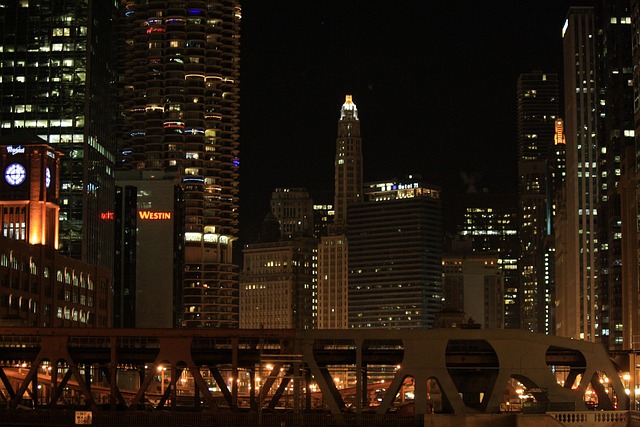
Exploring Nature’s Influence on Urban Design in Chicago
Chicago, renowned for its architectural splendor, offers a unique glimpse into how nature has shaped its urban landscape. This city, nestled along the shores of Lake Michigan, boasts an impressive array of building styles that reflect its rich history and environmental context. A walk through its streets reveals a harmonious blend of modern skyscrapers and historic structures, many inspired by natural elements. For instance, the iconic Willis Tower (formerly Sears Tower) features a design that subtly mimics the shape of nearby clouds, while numerous parks and green spaces integrate organic forms into their layouts.
One of the most striking examples of nature-inspired urban design can be found in Millennium Park, where cloud gates—art installations resembling giant metal clouds—have become an iconic symbol of Chicago. These structures, created by artist Anish Kapoor, not only provide a visually stunning backdrop but also serve as a reminder of the city’s commitment to integrating natural aesthetics into its built environment. Similarly, many residential buildings incorporate green roofs and vertical gardens, blurring the lines between architecture and nature. These innovations not only enhance the aesthetic appeal but also contribute to sustainable urban living.
Chicago architecture tours, popular among locals and visitors alike, often highlight these unique design elements, offering insights into how architects have drawn inspiration from the city’s natural surroundings. A 1-3 hour guided tour through neighborhoods like the Loop, Lakeview, or Wicker Park can provide a comprehensive understanding of this interplay between nature and urban design. By examining specific buildings and discussing their features, visitors gain a deeper appreciation for the creative ways in which Chicago has embraced its natural setting, making it one of the most captivating cities globally for architecture enthusiasts to explore what to see in Chicago naturally.
What to See: Chicago's Architectural Marvels Unveiled

Chicago is renowned for its architectural marvels, offering visitors and residents alike an unparalleled opportunity to explore a rich tapestry of design and history. When it comes to understanding what to see in Chicago, architecture stands as a cornerstone of the city’s cultural identity. From iconic skyscrapers that define the skyline to charming historic districts, Chicago boasts a diverse array of architectural styles that reflect its dynamic past and present.
One of the best ways to uncover these hidden gems is through a chicago architecture tour, which allows visitors to gain insights from knowledgeable guides who can point out details often overlooked by casual observers. These tours cover a wide range, catering to both novices curious about the city’s architectural heritage and seasoned aficionados seeking fresh perspectives. Whether focusing on specific eras like the Art Deco or Prairie School movements or highlighting innovative contemporary designs, these tours offer an immersive experience that brings buildings to life.
For instance, the Chicago Architecture Center offers various walking tours that delve into the city’s architectural history, showcasing everything from groundbreaking skyscrapers to intimate brownstones. These tours not only educate but also inspire, encouraging participants to look up and appreciate the intricate details of the urban landscape. By engaging in a chicago architecture tour, visitors can gain a deeper understanding of what to see in Chicago naturally, uncovering hidden gems that make the city’s architectural scene truly exceptional.